
 EN
EN
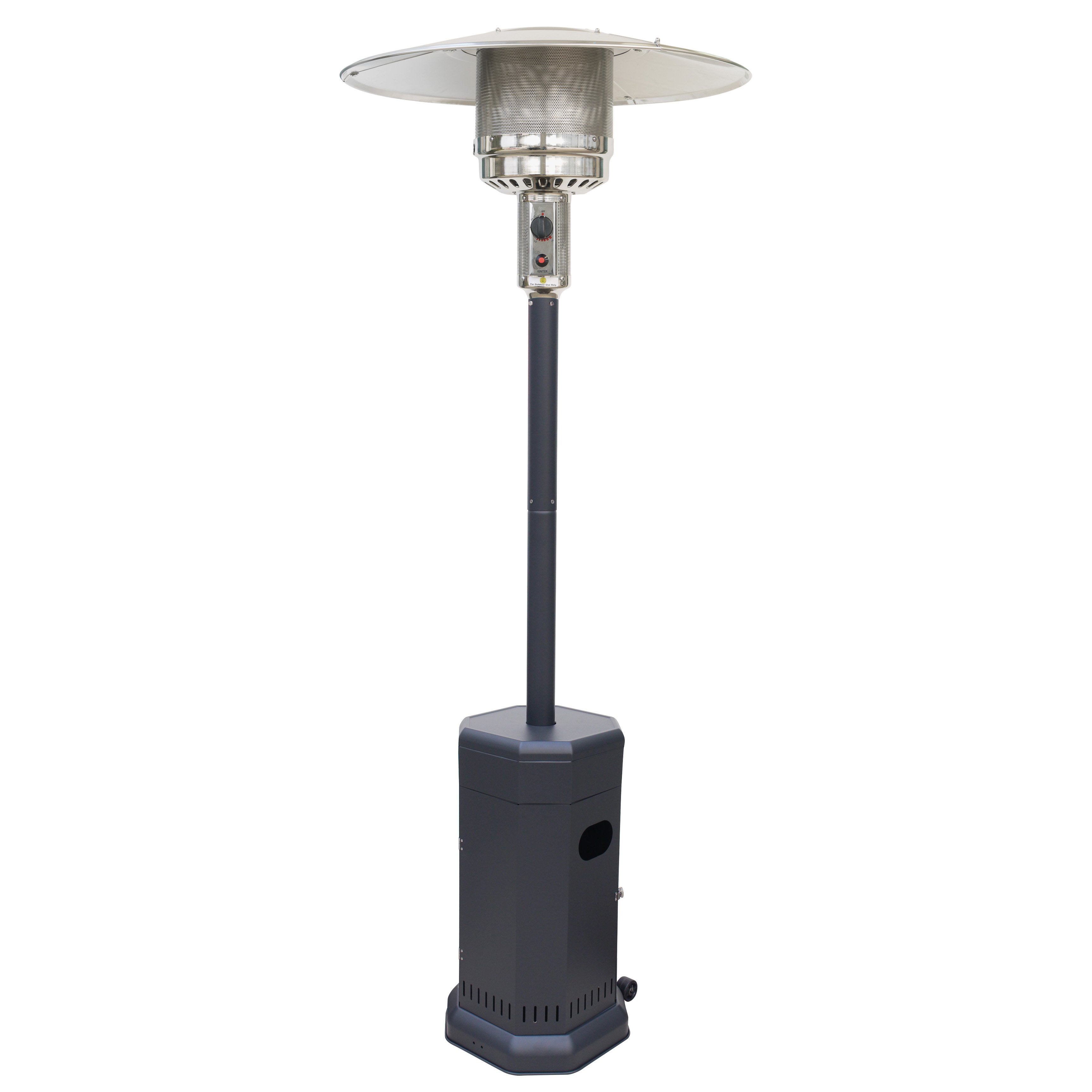
As soluções modernas de aquecimento ao ar livre transformaram a forma como desfrutamos dos nossos espaços exteriores, mantendo ao mesmo tempo a responsabilidade ambiental. A evolução da tecnologia de aquecedores de pátio a gás representa um avanço significativo na criação de ambientes exteriores confortáveis com menor impacto ecológico. Atualmente, os aquecedores de pátio a gás incorporam funcionalidades de eficiência de ponta que minimizam o consumo de combustível e reduzem as emissões de gases com efeito de estufa em comparação com sistemas de aquecimento mais antigos. Compreender essas vantagens ambientais ajuda proprietários residenciais e gestores de propriedades comerciais a tomarem decisões informadas sobre os seus investimentos em controlo climático exterior, apoiando simultaneamente objetivos mais amplos de sustentabilidade.
O perfil ambiental dos sistemas a gás para aquecedores de pátio melhorou drasticamente graças à inovação tecnológica e a padrões de fabricação mais rigorosos. As unidades modernas de aquecedores de pátio a gás oferecem eficiência térmica superior, ou seja, convertem uma porcentagem maior da energia do combustível em calor utilizável, em vez de desperdiçá-la por meio de combustão ineficiente. Essa eficiência aprimorada se traduz diretamente em menor consumo de combustível, custos operacionais reduzidos e, principalmente, pegada de carbono diminuída para proprietários que optam por equipamentos atualizados em vez de soluções antigas de aquecimento.
Eficiência aprimorada do combustível e emissões reduzidas
Tecnologia de combustão superior
Os designs contemporâneos de aquecedores a gás para pátios utilizam engenharia avançada de queimadores que otimiza o processo de combustão. Os sistemas modernos de aquecedores a gás para pátios alcançam uma queima mais completa do combustível, eliminando hidrocarbonetos não queimados e reduzindo emissões prejudiciais de partículas. Sistemas avançados de ignição e monitoramento de chama garantem geração consistente e eficiente de calor, ao mesmo tempo que evitam combustão incompleta, que liberaria combustível não queimado na atmosfera. Essas melhorias tecnológicas tornam os equipamentos de aquecedores a gás para pátios substancialmente mais limpos do que as soluções antigas de aquecimento externo a propano ou gás natural, que dependiam de designs mais simples de queimadores.
Redução no Consumo de Propano e Gás Natural
Os ganhos de eficiência provenientes das modernas unidades a gás para aquecedores de pátio reduzem diretamente a quantidade de combustível necessária para manter temperaturas confortáveis ao ar livre. Um modelo de aquecedor de pátio a gás de alta eficiência pode alcançar a mesma potência térmica utilizando 20 a 30 por cento menos combustível do que equipamentos convencionais das décadas anteriores. Um menor consumo de combustível significa menos recursos fósseis extraídos da terra e menor demanda energética global sobre as redes de distribuição de gás natural. Quando multiplicado por bairros residenciais e propriedades comerciais, a adoção generalizada dessa tecnologia eficiente de aquecedores de pátio a gás reduz significativamente o consumo nacional de energia e os impactos ambientais associados.
Redução do Impacto Ambiental por meio de um Design Inteligente
Emissões Reduzidas de Dióxido de Carbono
A combustão mais limpa nos sistemas modernos de aquecedores a gás para pátios reduz diretamente as emissões de dióxido de carbono lançadas na atmosfera. Como os aquecedores a gás para pátios agora queimam o combustível de forma mais completa, com menos desperdício, a quantidade total de CO2 produzida por unidade de calor gerada diminui substancialmente. As agências ambientais reconhecem que a transição para equipamentos de aquecimento externo de maior eficiência representa um passo significativo rumo à redução das contribuições de gases de efeito estufa no setor residencial e comercial. Uma atualização típica de aquecedor a gás para pátios pode reduzir as emissões anuais relacionadas ao aquecimento em várias toneladas de equivalente CO2, contribuindo positivamente para os esforços de mitigação das mudanças climáticas quando multiplicada por muitos lares.
Degradação mínima da qualidade do ar
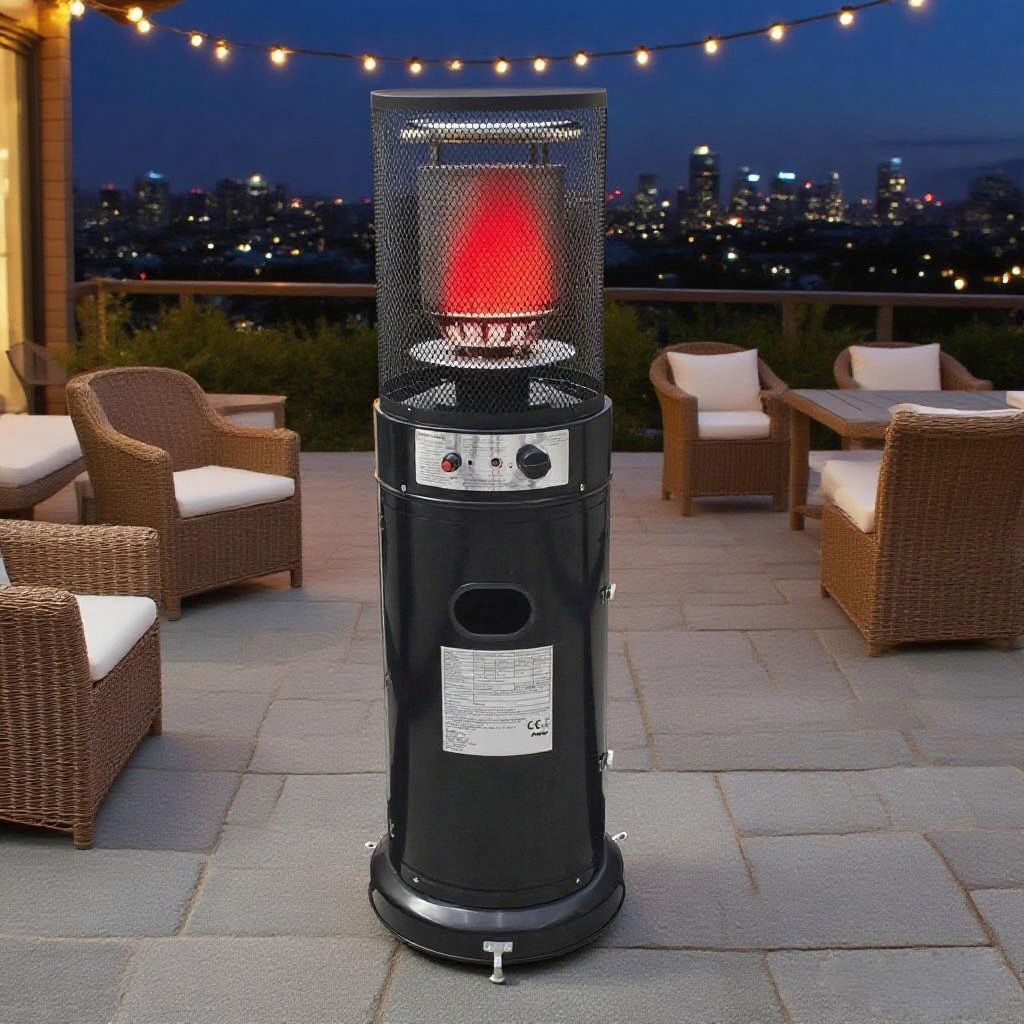
A tecnologia avançada de aquecedores a gás para pátios produz menos óxidos de nitrogênio e compostos orgânicos voláteis que contribuem para a formação de ozônio ao nível do solo e para problemas de qualidade do ar. Conversores catalíticos modernos e designs otimizados de queimadores em unidades de alta qualidade de aquecedores a gás para pátios minimizam a produção desses poluentes nocivos. A qualidade superior do ar em torno de espaços externos residenciais e comerciais beneficia tanto os usuários diretos quanto as comunidades vizinhas. Além disso, a redução da produção de fuligem e cinzas proveniente da combustão eficiente dos aquecedores a gás para pátios significa menos limpeza ambiental e menor acúmulo de poluição do ar em áreas externas de entretenimento, onde famílias e clientes passam seu tempo.
Fornecimento Sustentável e Eficiência de Recursos
Gestão Responsável de Recursos Combustíveis
A eficiência melhorada nos sistemas a gás para aquecedores de pátio apoia um uso mais responsável dos recursos de gás natural e propano. Quando uma unidade a gás para aquecedor de pátio necessita significativamente menos combustível para oferecer o mesmo nível de conforto, reduz-se a pressão total de extração sobre as reservas de gás natural. Essa filosofia de eficiência está alinhada com princípios ambientais mais amplos de utilização reflexiva dos recursos naturais e de preservação de suprimentos adequados para as gerações futuras. Os proprietários que instalam equipamentos modernos a gás para aquecedores de pátio participam de um esforço coletivo de conservação que reduz o consumo energético desperdiçado no setor de aquecimento.
Vida útil prolongada do equipamento e redução de resíduos
Unidades modernas de aquecedores a gás para pátios incorporam materiais duráveis e componentes resistentes à corrosão, o que prolonga significativamente sua vida útil operacional em comparação com equipamentos de aquecimento mais antigos. Sistemas de aquecedores a gás para pátios de maior durabilidade implicam menos substituições ao longo de décadas, reduzindo assim os resíduos gerados pela fabricação e os custos ambientais associados à produção, ao transporte e à destinação final desses equipamentos. Menos unidades enviadas para aterros sanitários resulta em menor pressão sobre os recursos naturais e menor impacto ambiental ao longo da cadeia de suprimentos de fabricação. Desenvolver soluções de alta qualidade para aquecedores a gás para pátios, capazes de operar de forma confiável por quinze a vinte anos, representa uma abordagem mais sustentável do que substituir o equipamento a cada cinco a dez anos.
Perguntas Frequentes
Quanto posso reduzir minha pegada de carbono ao migrar para aquecedores a gás para pátios modernos?
As unidades modernas de aquecedores a gás para pátios podem reduzir suas emissões relacionadas ao aquecimento em 20 a 35 por cento em comparação com equipamentos mais antigos, dependendo da idade e da classificação de eficiência do seu sistema anterior. A redução real depende da frequência com que você utiliza seu sistema de aquecedor a gás para pátios e da composição da sua mistura local de fontes de combustível. Ao longo de um período de cinco anos, a atualização para um modelo eficiente de aquecedor a gás para pátios poderia eliminar várias toneladas de emissões de dióxido de carbono, além de reduzir significativamente suas contas de energia.
O gás natural e o propano são igualmente limpos como fontes de combustível para sistemas de aquecedores a gás para pátios?
Tanto o gás natural quanto o propano apresentam desempenho comparável em equipamentos modernos de aquecedores a gás para pátios, do ponto de vista de emissões, embora o gás natural produza ligeiramente menos dióxido de carbono por unidade de energia. A eficiência do seu modelo específico de aquecedor a gás para pátios é mais importante do que o tipo de combustível; um sistema de propano altamente eficiente supera ambientalmente um sistema a gás natural mal projetado. O essencial é escolher uma unidade moderna e de qualidade, independentemente da fonte de combustível preferida, pois a tecnologia avançada de combustão minimiza o impacto ambiental em ambas as opções.
O uso de gás para aquecedores de pátio é mais caro do que métodos de aquecimento antigos?
Embora as unidades modernas de aquecedores a gás para pátios possam ter custos iniciais de aquisição mais elevados, sua eficiência superior normalmente resulta em despesas operacionais menores do que as de sistemas antigos. Um aquecedor de pátio a gás a instalação normalmente se paga em dois a quatro anos por meio da redução do consumo de combustível e de contas mensais de energia mais baixas. Os benefícios financeiros a longo prazo, combinados com as vantagens ambientais, tornam os sistemas modernos de aquecedores a gás para varandas um investimento inteligente para proprietários de imóveis conscientes da sustentabilidade que buscam conforto ao ar livre sem custos operacionais excessivos.
Sumário
- Eficiência aprimorada do combustível e emissões reduzidas
- Redução do Impacto Ambiental por meio de um Design Inteligente
- Fornecimento Sustentável e Eficiência de Recursos
-
Perguntas Frequentes
- Quanto posso reduzir minha pegada de carbono ao migrar para aquecedores a gás para pátios modernos?
- O gás natural e o propano são igualmente limpos como fontes de combustível para sistemas de aquecedores a gás para pátios?
- O uso de gás para aquecedores de pátio é mais caro do que métodos de aquecimento antigos?